Weight Vest Training Explained: A UK Buyer's Guide
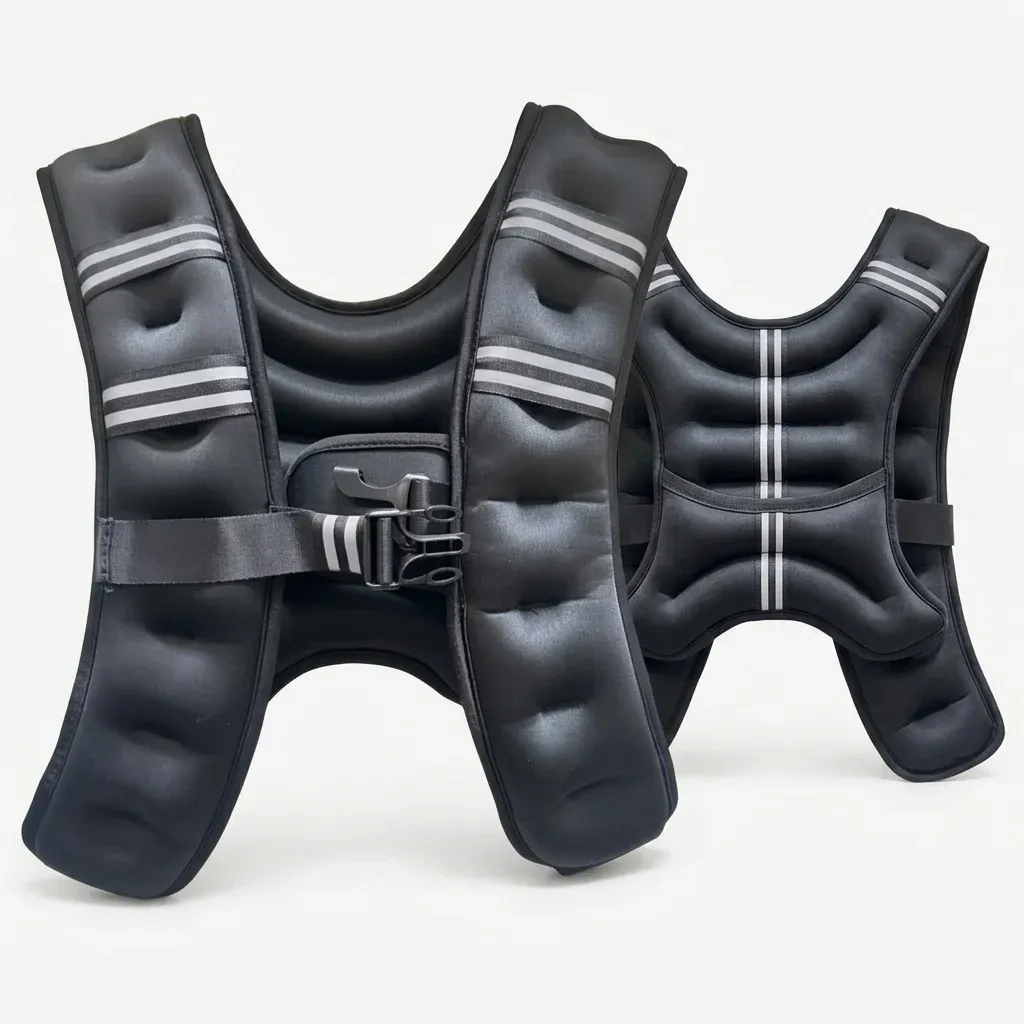
Weight vest training has transitioned from a niche military conditioning tool to a staple in the UK fitness scene. Whether you are navigating the damp trails of the Peak District or sprinting through a local London park, adding external resistance to your natural movement patterns offers a unique physiological challenge that traditional gym equipment cannot replicate. By increasing your body mass without compromising your range of motion, you force your cardiovascular system and musculoskeletal structure to adapt to a higher workload.
The Science Behind Weight Vest Training
At its core, weight vest training operates on the principle of progressive overload. By adding a load that is distributed across the torso, you alter your centre of gravity and increase the ground reaction forces during every step. This isn't just about making a run feel harder; it is about metabolic efficiency. Research published in the Journal of Strength and Conditioning Research indicates that even moderate loads (approximately 10% of body mass) can significantly increase the metabolic cost of walking and running, leading to improved VO2 max levels over time.
For UK athletes, this is particularly relevant. With the NHS highlighting the importance of muscle-strengthening activities at least twice a week, a weighted vest provides a seamless way to integrate strength work into cardiovascular routines. It targets the posterior chain, core stabilisers, and even the smaller muscles in the feet and ankles that are often neglected in static weightlifting.
The Impact on Bone Mineral Density
One of the most overlooked benefits of weight vest training is its impact on skeletal health. Wolff's Law states that bone grows or remodels in response to the forces or demands placed upon it. By adding a vertical load to the spine and hips, weight vests encourage the deposition of calcium and the strengthening of the bone matrix. This is a critical factor for long-term health, especially for runners who are prone to stress fractures or older adults looking to mitigate the risks of osteoporosis.
Integrating the Weight Vest into Your Routine
Success in weight vest training is not determined by how much weight you can carry, but by how well you can carry it. For those new to the discipline, the temptation is often to jump straight into a heavy load. However, the "more is better" approach often leads to altered gait patterns and unnecessary strain on the lower back.
Weighted Walking and Rucking
Walking with a weighted vest, often referred to as rucking, is the most accessible entry point. It turns a standard commute or a weekend stroll into a zone 2 cardiovascular session. For many in Britain, rucking has become a preferred method of low-impact steady-state (LISS) cardio. It burns significantly more calories than walking alone while remaining easier on the knees than high-impact running. If you are looking for a comprehensive breakdown of the standard starting weight, the ultimate guide to weighted vest 10kg in the UK provides a deep dive into why 10kg is the industry benchmark for versatile training.
Running and Sprints
Weight vest training for runners requires a specific focus on vest fit. A vest that bounces or shifts during a stride will cause chafing and can lead to repetitive strain injuries. When running, the vest should feel like an extension of your body. The benefits here are twofold: you build explosive power in the quads and glutes, and you improve your "unloaded" running economy. When you eventually race without the vest, your perceived exertion at your target pace will be notably lower.
Calisthenics and Bodyweight Mastery
For those focused on strength, a vest is the ultimate tool for breaking plateaus in pull-ups, dips, and push-ups. Unlike a dipping belt, which pulls the weight downwards from the waist, a vest keeps the resistance close to your centre of mass, allowing for a more natural movement. This is particularly useful for those following a CrossFit weighted vest programme, where high-intensity metabolic conditioning (MetCons) requires both strength and agility.
What to Look for in a Training Vest
The UK market is flooded with various designs, but for serious training, certain features are non-negotiable. Given the British climate, breathability is paramount. A vest that traps heat will lead to rapid fatigue and discomfort during the humid summer months or even during intense winter sessions.
- Material and Breathability: Look for moisture-wicking fabrics and mesh panelling. This ensures that sweat is managed effectively, preventing the vest from becoming heavy and waterlogged.
- Secure Fastening Systems: A dual-strap or adjustable buckle system is essential to prevent lateral movement. This is a core focus of our designs at FitnessVest, ensuring that the load remains stable even during high-intensity directional changes.
- Visibility: With dark mornings and early sunsets being a reality for much of the UK's training year, high-visibility strips are a critical safety feature for road runners.
- Weight Distribution: The weight should be evenly distributed between the front and back to prevent pulling the shoulders forward or straining the lumbar spine.
If you are unsure whether you need a fixed weight or something more flexible, exploring an adjustable weighted vest can provide the versatility needed to scale your workouts as your fitness improves.
Safety Considerations and UK Regulations
While weight vest training is generally safe for healthy individuals, it is important to listen to your body’s biofeedback. The extra load puts more pressure on your intervertebral discs and joints. If you have a history of back or neck issues, consulting a physiotherapist before starting a weight vest programme is highly recommended.
"Adding external load to the torso increases the compressive forces on the spine. It is vital to maintain a neutral pelvic tilt and engaged core to protect the lower back during weighted movements." – UK Sports Science Perspective
Furthermore, ensure your vest complies with general UK safety standards regarding materials and construction. Avoid cheap imports that use sandbags which may leak or shift unevenly. High-quality vests typically use steel plates or iron sand, which provide a much thinner profile and a more stable load. For more details on the engineering of these products, refer back to the ultimate guide to weighted vest 10kg in the UK.
Sample Weight Vest Training Workouts
To get the most out of your investment, try incorporating these three UK-specific routines into your weekly schedule:
1. The "Hill Climber" (Endurance & Power)
Find a local gradient (standard in many British parks). Perform 8 to 10 hill sprints with the vest on. Focus on driving your knees up and maintaining a strong arm pump. Walk back down for recovery. This build explosive power that translates directly to better 5k and 10k times.
2. The "Garden MetCon" (Full Body)
Set a timer for 20 minutes and complete as many rounds as possible (AMRAP) of:
- 10 Weighted Squats
- 10 Weighted Press-ups
- 10 Weighted Lunges (per leg)
- 200m Run or 1-minute high knees
3. The "Commuter Ruck" (Active Recovery)
Don your vest for your daily walk to the station or a 30-minute walk with the dog. This is the simplest way to increase your daily 'Non-Exercise Activity Thermogenesis' (NEAT). It builds structural integrity without the recovery demands of a high-intensity session.
Final Thoughts for the UK Athlete
Weight vest training is one of the most effective ways to break through fitness plateaus. It respects the mechanics of human movement while adding a layer of difficulty that forces the body to grow stronger and more resilient. By choosing a vest designed for the specific demands of the UK athlete—prioritising security, breathability, and visibility—you ensure that your training is not just harder, but smarter.
Ready to Level Up Your Training?
Don't settle for a vest that bounces and chafes. Explore the FitnessVest range, specifically engineered for UK runners and athletes. Secure, breathable, and built to last.
Frequently Asked Questions
Is weight vest training bad for your knees?
Not inherently. When used correctly, it can actually strengthen the muscles around the knee, providing better joint stability. However, if you have existing joint issues or use excessive weight too soon, the increased impact can cause irritation. Start light and focus on landing softly when running.
Can I wear a weighted vest for my entire workout?
While you can, it is often better to use it for specific segments. For example, use it for your main strength sets or a specific "weighted run" rather than wearing it for a two-hour gym session. This prevents excessive fatigue of the postural muscles.
How do I clean my weighted vest?
Most high-quality UK vests feature removable weights. Remove the weights and hand wash the outer vest in cold water with a mild detergent. Hang it to dry in a well-ventilated area. Never put a weighted vest in a tumble dryer as it can damage the technical fabrics and fastening systems.
What weight should a beginner start with?
A general rule of thumb is to start with 5% of your body weight. For most people, a 5kg or 10kg adjustable vest is the perfect starting point, as it allows you to increase the resistance as your fitness levels improve.
Ready to level up with FitnessVest?
Shop Now — £73.94