Crossfit Weighted Vest Explained: A UK Buyer's Guide
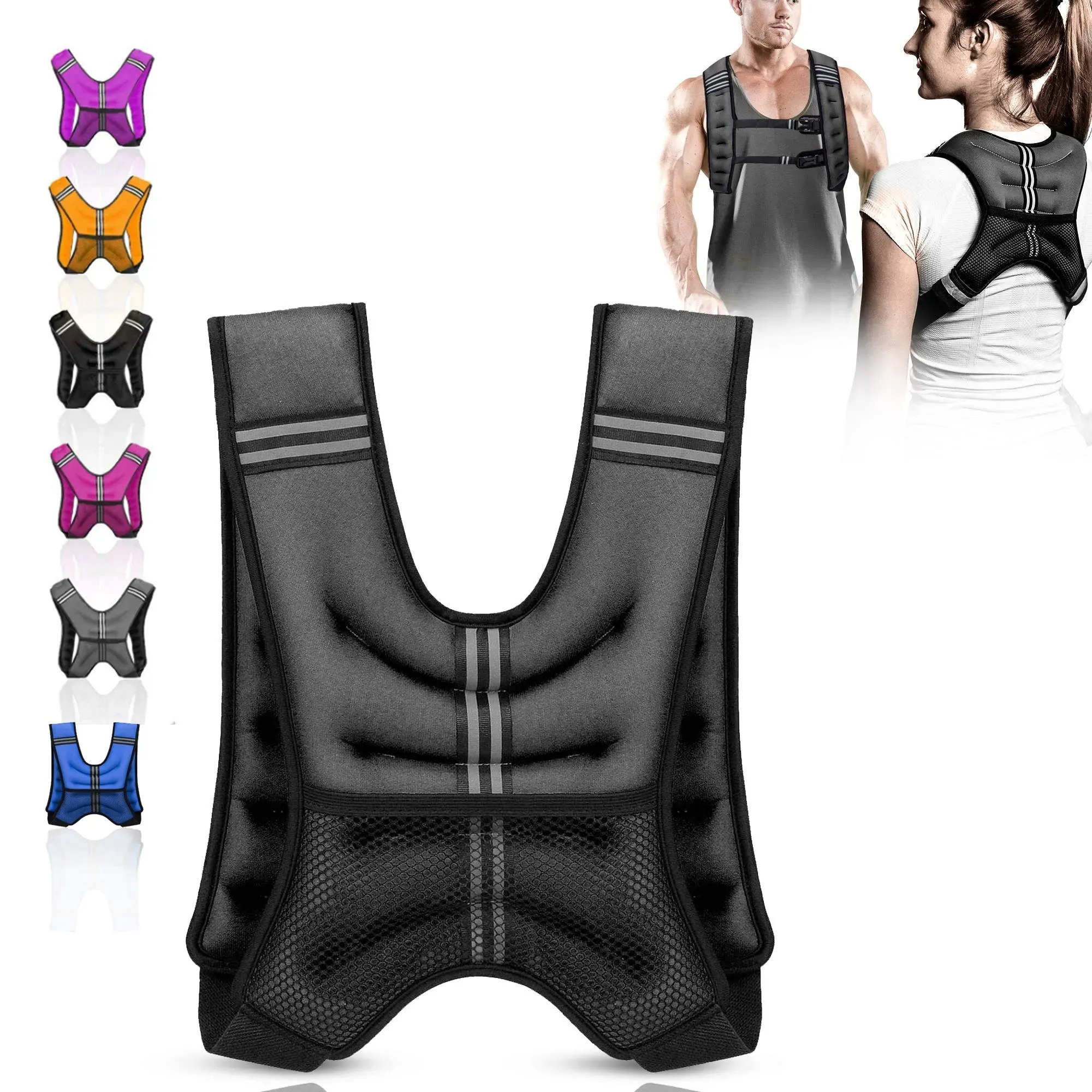
TL;DR: A crossfit weighted vest adds load to burpees, pull-ups, squats and conditioning pieces while keeping your hands free. For most UK home athletes, something in the 5kg to 10kg range covers everything from Murph prep to living-room circuits. Fit is the real differentiator: a vest that bounces or slaps your chest mid-burpee will get abandoned, whatever it weighs.
What is a crossfit weighted vest?
It is a torso-worn load you keep on through mixed workouts — gymnastic movements, runs, high-rep bodyweight pieces — so every rep starts harder. Compared with holding dumbbells, the weight stays centred on your trunk, which is why vests suit workouts with constant transitions. Fixed-weight designs like the FitnessVest Pro-Series seal iron sand into separate internal compartments; you pick 5kg, 8kg or 10kg when you buy and the load never moves after that.
The real test: does it bounce when you do burpees?
Ask anyone who has trained in a cheap vest: the failure mode is not the weight, it is the movement. An old or loose vest lifts off your shoulders at the top of a burpee, slaps back into your chest on the way down, and slides sideways during jumping jacks until you stop mid-round to fix it.
What stops that happening is mechanical, not marketing: a dual set of front buckles plus side straps that cinch the shell against your ribcage, and load that physically cannot pool at the bottom of the vest. Sewn-in compartments hold the iron sand in place through explosive movement, so the vest moves with your torso instead of half a second behind it. Cinch it snug enough that a deep breath is still comfortable — that is the working tension.
Training in a flat without turning it into a gym
A vest earns its space in small homes. There is no rack to house and nothing to drop, which matters when your training floor is a living-room carpet with neighbours below. Loaded press-ups, squats, lunges, step-ups and planks are all quiet work; the vest supplies the intensity a barbell would otherwise provide. One garment on a coat hook replaces a corner full of kit.
How heavy should a crossfit weighted vest be?
Heavier is not better value — it is just heavier. A sensible split by session type:
- 5kg — conditioning circuits, longer EMOMs and loaded runs where you want output up but technique untouched.
- 8kg — the standard pick for HIIT and strength-biased bodyweight work once press-ups and squats are comfortably in double figures.
- 10kg — for experienced athletes doing calisthenics or rucking-style work; expect pull-ups and burpees to change character completely at this load.
If your plans lean towards loaded hiking or Hyrox-style engines rather than fast circuits, the weighted vest 10kg guide covers that decision properly. If you want one vest to span several loads, read the adjustable weighted vest guide — with the caveat that removable plates are exactly the part that rattles during explosive work.
Fit and sweat: checks before you buy
- Shoulder straps should spread load, not dig — neoprene shells sit softer than rigid plate carriers for high-rep work.
- A central mesh back panel makes a real difference to heat in indoor sessions.
- The shell should wipe clean with a damp cloth and mild detergent, then air-dry; sweat-soaked vests that cannot be machine washed need this to be easy.
- Check the straps adjust over whatever you actually wear — a t-shirt in summer, a hoodie in a cold garage.
When to take the vest off
The vest is a tool for raising the floor of easy movements, not for grinding through broken ones. Take it off when press-up depth collapses, when your lower back rounds in squats, or when you are sore enough that unweighted movement already feels like work. Anyone with heart, joint or balance concerns should clear vest training with a professional first — and nobody needs a vest for their first month of bodyweight training.
Frequently asked questions
Will a weighted vest bounce during burpees?
A badly fitted one will. Look for double front buckles plus side tension straps, cinch them snug, and choose a design whose load is sealed in place rather than loose in pockets.
Can I clean it after sweaty sessions?
Neoprene shells should be wiped down with a damp cloth and mild detergent and left to air-dry. Do not machine wash or tumble dry a weighted vest — heat and agitation damage the shell and the weight seals.
Is a fixed weight enough as I get stronger?
For a long while, yes — you can add reps, cut rest and slow tempos before the load itself limits you. When it genuinely stops challenging you, the usual route is the next weight up in the same series rather than swapping systems.
Do I need 10kg for Murph?
No. Vest Murph is traditionally done around 9kg by experienced athletes, but scaling to 5kg or 8kg — or no vest at all — is normal and sensible while the volume is still the limiting factor.
Ready to level up with FitnessVest?
Shop Now — £198.95