Adjustable Weighted Vest Explained: A UK Buyer's Guide
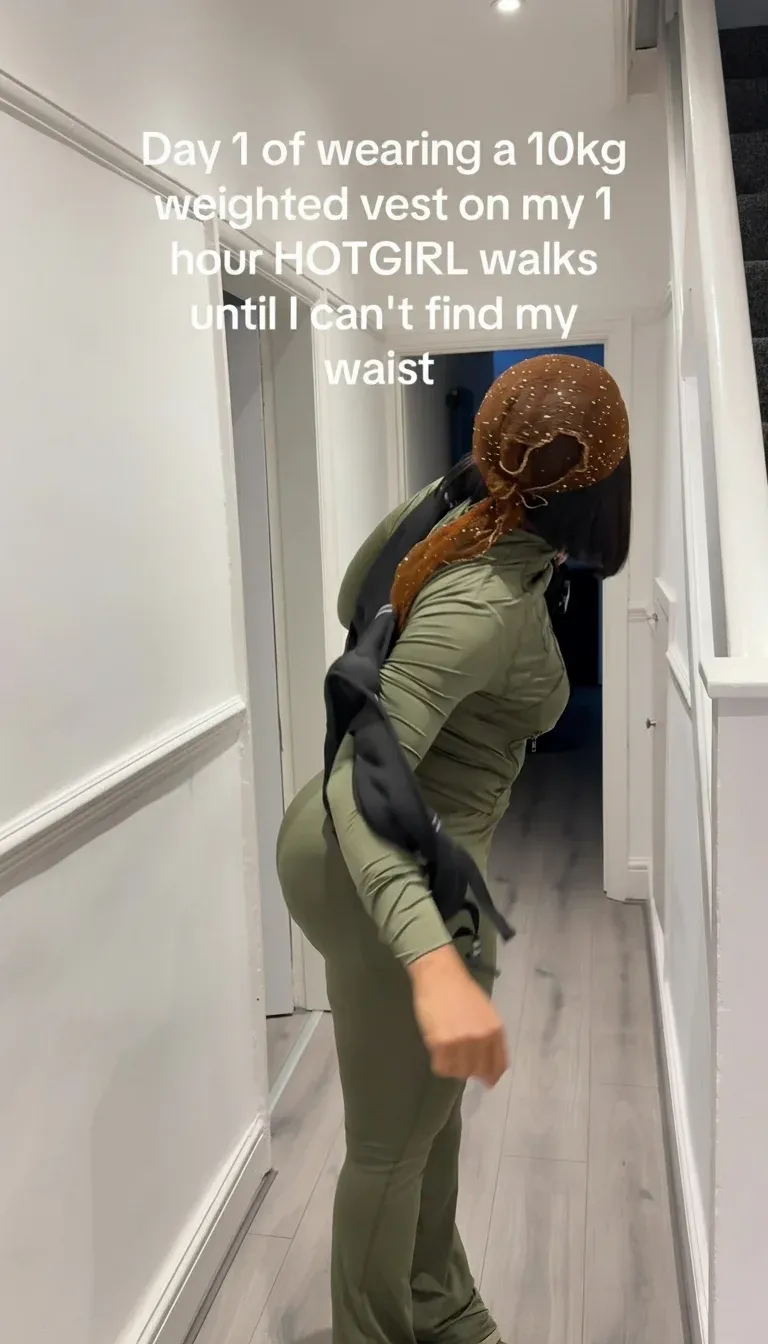
Short answer: An adjustable weighted vest holds removable weight increments, so one vest can get heavier as you do. It earns its place when you genuinely need a wide load range in a single garment. If your current 5kg vest has simply stopped feeling like work, the other route is stepping up to a fixed 8kg or 10kg vest in the same design, which keeps the fit and feel you already know.
What "adjustable" actually means
Adjustable models use pockets with removable weights so you can load, say, 2kg one month and 8kg the next. Fixed vests take the opposite approach: the load is sewn into the shell permanently and you choose the total when you buy. The FitnessVest Pro-Series sits in the fixed camp — iron sand sealed into separate internal compartments, available as 5kg, 8kg or 10kg versions — so the weight cannot be changed, but it also cannot migrate mid-session.
Adjustable vs fixed weight: the honest trade-offs
| Factor | Adjustable vest | Fixed-weight vest |
|---|---|---|
| Progression | Small steps in one purchase | Step up by buying the next weight |
| Stability | Loose or half-filled pockets can shift and rattle | Sewn-in compartments keep the load balanced and quiet |
| Fit | Bulk changes as you add plates, so straps need re-dialling | Same profile every session |
| Faff | Weights to store, insert and occasionally lose | Put it on and go |
| Cost over time | One vest, though quality plate systems cost more upfront | A second vest if you outgrow the first |
Neither answer is wrong. If you like tinkering with small increments, adjustable makes sense. If you would rather train than fiddle with plates — and you want the load to sit exactly where it sat last week — a fixed vest is the simpler tool.
When is it time to add load?
Most people ask about adjustable vests at the same moment: the weight they started with has gone quiet. Typical signs you are ready for more:
- Your usual loaded walk or circuit no longer raises your heart rate the way it did in month one.
- You finish full sessions with clean technique and no next-day joint complaints.
- You have trained at the current weight consistently for at least six to eight weeks.
Move up in one modest jump rather than several at once, and expect the first fortnight at a new weight to feel humbling. If knees, hips or lower back complain, drop back down — progress in load is only useful when movement quality survives it. Anyone with joint, bone, heart or balance concerns should check with a GP or physiotherapist before loading up further.
Upgrading within the same series
There is a quiet advantage to staying in one design when you step up: the buckles, strap lengths and torso shape are identical, so an 8kg or 10kg feels like your 5kg with more intent, not a new garment to learn. Households often end up with two — one common pattern is buying a second vest for a partner so you can train together instead of passing one back and forth. At £198.95 (33% off the £110.91 RRP), completing the weight range is cheaper than most gym memberships' quarterly cost, and there is a 30-day returns window if the new weight turns out to be the wrong call. For a deeper look at the heaviest option, read the weighted vest 10kg guide before committing.
Quick buying checklist (UK)
- Decide your realistic load range for the next year — not the heaviest number you can imagine.
- Check the weight cannot shift: filled pockets should be secured, or the load sewn in.
- Make sure straps adjust over the clothing you actually train in.
- Look for a wipe-clean shell; removable-plate systems also need their pockets drying out.
- Buy from a seller with clear UK returns — 30 days is the benchmark worth holding out for.
FAQ
Should I go straight from 5kg to 10kg?
Usually not. Doubling your load in one jump is a big ask for tendons even when muscles feel ready. 8kg is the natural middle step for HIIT and strength work; go directly to 10kg only if your focus is rucking-style walking and your 5kg sessions have felt easy for months.
Are adjustable vests better value than fixed ones?
Only if you will genuinely use the increments. Many owners set an adjustable vest to one weight and never touch the plates again — at which point a fixed vest would have been simpler, quieter and cheaper.
Can I buy one as a present or a second vest for a partner?
Yes — weight is the only real sizing decision, since the straps fit a wide range of torsos. 5kg suits someone starting out; 8kg suits an established gym-goer. The 30-day returns window covers a wrong guess.
How do I know a heavier vest will not wreck my knees?
You do not, in advance — which is why the first weeks at a new weight should look deliberately easy: shorter sessions, flat routes, and an immediate stop if pain, numbness or a changed walking pattern appears.
Final buying advice
Buy the load range you will use, not the one that flatters you. If that range is wide and changing, choose adjustable. If you know the next step is simply "heavier, same feel", a fixed vest in the series you already trust is the boring, correct answer.
Ready to level up with FitnessVest?
Shop Now — £198.95