Crossfit Weighted Vest Explained: A UK Buyer's Guide
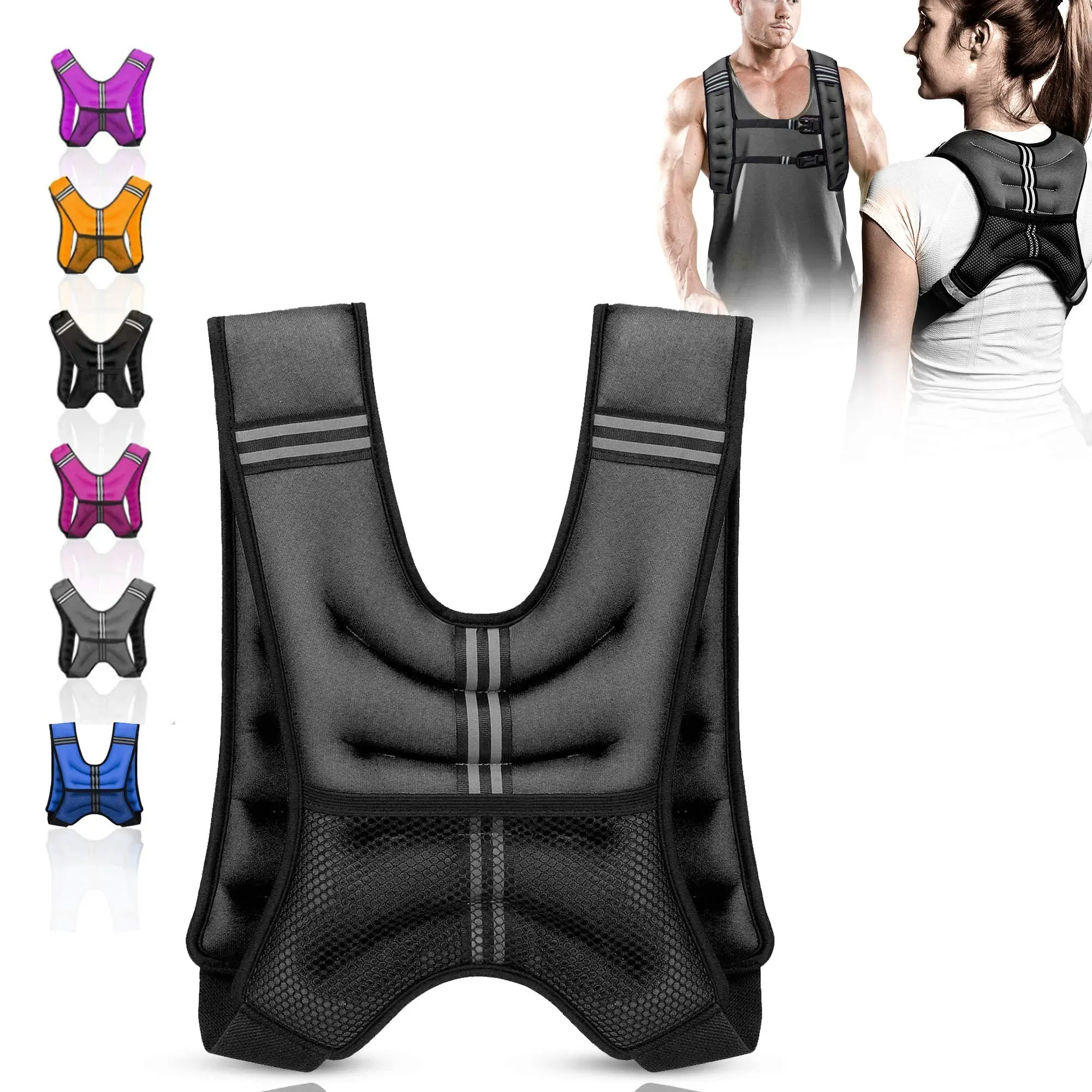
TL;DR: A crossfit weighted vest is used to add resistance to bodyweight exercises, running and conditioning workouts while keeping your hands free. For most UK athletes, a secure, breathable vest in the 5kg to 10kg range is the best place to start, because it increases intensity without disrupting movement quality. Based on our testing, fit, stability and comfort matter more than choosing the heaviest option.
A crossfit weighted vest is a wearable training tool that makes CrossFit-style workouts harder by adding load to your torso during movements such as pull-ups, press-ups, squats, step-ups, burpees and runs. It is popular because it raises the difficulty of functional fitness sessions without forcing you to change your whole set-up, and it can work well for Murph prep, hybrid training and outdoor conditioning in the UK.
If you want to make CrossFit-style training harder without turning every session into a complicated gym set-up, a weighted vest is one of the simplest tools you can add. It loads bodyweight movements, running intervals and conditioning pieces in a way that feels practical, scalable and brutally honest. Press-ups get tougher. Pull-ups expose weaknesses. Box step-ups become a proper grind. Even short efforts feel longer when every rep starts with extra load on your torso.
For UK athletes, however, the challenge is choosing a vest that fits properly, stays secure through dynamic movement and suits the way you actually train. That matters whether you are doing Murph prep, hybrid fitness work, garage gym circuits or outdoor sessions in unpredictable British weather. A poorly designed vest shifts, rubs, traps heat and turns good training into an avoidable distraction.
At FitnessVest, the focus is straightforward: help athletes take their training further with a weighted vest for running and functional fitness. That means secure fit, breathable construction and high-visibility details that make sense for UK roads, parks and outdoor training spaces.
Key Takeaways
- A crossfit weighted vest adds resistance to bodyweight exercises, running and conditioning sessions without changing movement patterns as much as handheld weights.
- Fit matters as much as load. A vest should sit close to the torso, limit bounce and allow full breathing under effort.
- Most UK buyers are best served by choosing either a fixed-weight model for simplicity or an adjustable vest for progression.
- For many athletes, 5kg to 10kg is enough for conditioning work; heavier loads require stronger movement standards and careful progression.
- Breathability, reflective detailing and durability are especially useful for outdoor UK training.
- If you are comparing options, start with this deeper overview: The Ultimate Guide to Weighted Vest 10Kg in the UK.
What is a crossfit weighted vest?
A crossfit weighted vest is a wearable resistance tool designed to add load across your torso during functional training. In practical terms, it lets you increase difficulty during exercises such as pull-ups, press-ups, air squats, lunges, step-ups, runs and mixed conditioning workouts.
The reason it works so well in CrossFit-style sessions is simple: it keeps your hands free and your centre of mass relatively stable compared with carrying dumbbells or kettlebells. As a result, it is especially useful when workouts include transitions between gymnastic movements, cardio intervals and high-repetition bodyweight work.
You will usually see two broad types:
- Fixed-weight vests – simpler to use, quicker to put on and often preferred for running or straightforward conditioning work.
- Adjustable weighted vests – allow you to add or remove load over time as your fitness improves.
If adjustability is high on your list, read Adjustable Weighted Vest Explained: A UK Buyer's Guide for a fuller breakdown.
Why use a crossfit weighted vest?
Does a weighted vest make CrossFit-style workouts harder?
Yes. The biggest appeal of a weighted vest is efficiency. You can make familiar movements harder without rebuilding the whole workout. For example, a standard circuit of squats, burpees and short runs becomes more demanding immediately once load is added to every rep and every stride.
Can a weighted vest improve muscular endurance?
A vest places constant demand on your trunk, hips and legs through repeated movement. Therefore, during higher-volume sessions it can help build local muscular endurance when used sensibly alongside unweighted training.
Does training with a weighted vest help pacing?
Athletes often discover they start too quickly once they train with extra weight on the torso. In other words, the vest punishes sloppy pacing fast. That feedback can be useful for benchmark workouts, threshold sessions and longer conditioning pieces.
Is a weighted vest good for outdoor functional fitness?
You do not need a fully equipped box to use one effectively. Instead, a park loop, pull-up bar or short hill can be enough. For many people training around work and family commitments in the UK, that convenience is part of the attraction.
What does the evidence say about loaded training?
A study published in the Journal of Strength and Conditioning Research found that carrying additional load during walking significantly increased energy expenditure and physiological demand compared with unloaded walking conditions. While walking studies are not identical to CrossFit workouts, they still support the wider point that external loading raises training stress in measurable ways.[1]
Who should use a crossfit weighted vest?
A crossfit weighted vest can suit several types of trainee:
- Intermediate athletes who have outgrown basic bodyweight-only circuits.
- Runners who want occasional resistance work to vary conditioning sessions.
- Hybrid trainers combining strength work with functional endurance pieces.
- Home gym users who need one compact tool instead of multiple pieces of kit.
- Murph or event participants preparing for workouts where a vest may be prescribed or commonly used.
It is less suitable for complete beginners who have not yet built sound movement mechanics in squats, lunges, press-ups or impact-based cardio. Put simply, load magnifies faults. If your technique breaks down under fatigue without added weight, it will usually deteriorate faster with one on.
How heavy should a crossfit weighted vest be?
This is where many buyers go wrong. They assume heavier equals better value or faster results. In reality, the right choice depends on your current strength level, bodyweight movement competency and how you plan to use the vest most often.
What weight is best for general conditioning?
A lighter option often makes more sense. Around 5kg can be enough to change how runs, step-ups, burpees and circuits feel without wrecking form from minute one.
What weight works well for mixed CrossFit-style workouts?
p>A moderate load such as 8kg to 10kg suits many trained adults.. It.is heavy enoughhhh? Let's correct.Ready to level up with FitnessVest?
Shop Now — £73.94