Weight Vest Training Explained: A UK Buyer's Guide
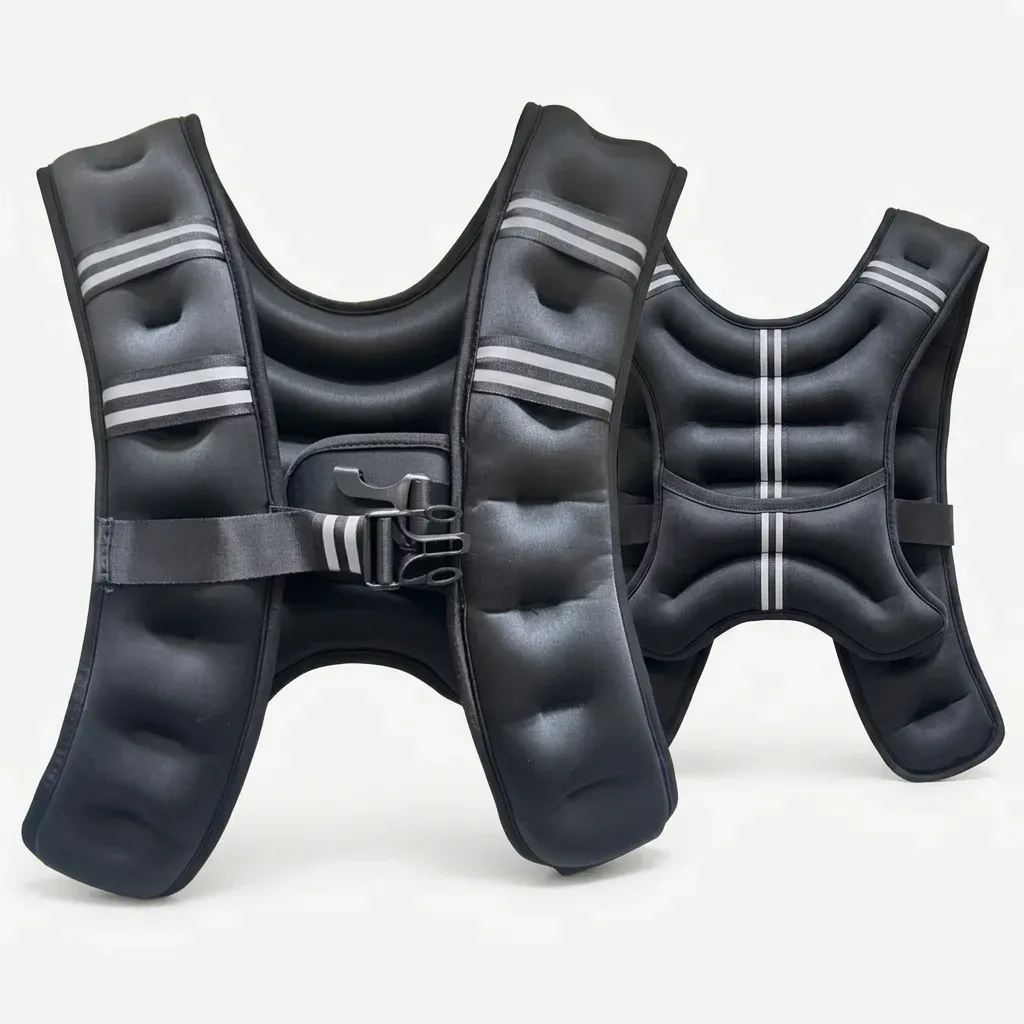
TL;DR: Weight vest training means wearing a snug, weighted vest during walks, runs or bodyweight sessions so every minute demands more from your muscles, heart and lungs — without adding a minute to the workout. In the UK it also means months of training in the dark, so a vest's visibility features matter as much as its load.
What weight vest training actually does
Adding load to your torso raises the effort of movement you already do. A brisk walk works harder, a bodyweight circuit bites sooner, and a short run demands more from your legs and lungs at the same pace. Because the weight sits close to your centre of mass, your movement pattern stays close to natural — which is the main advantage over carrying shopping bags, dumbbells or a swinging backpack.
In practice, people use vest training for three things: making limited training time count, adding strength stimulus to cardio sessions, and keeping weight-bearing work in the week — the kind of loading that public-health guidance encourages for muscle and bone health. None of that requires heroic loads; it requires consistency at a weight you can control.
Starting safely: load, progression, stop signals
A common starting range is 5-10% of your body weight, and for most people that means a 5kg vest, not a 10kg one. Treat the percentage as a rough ceiling — the real test is whether your posture, stride and breathing look the same with the vest on.
- Begin with 20-30 minute walks or easy circuits, two or three times a week.
- Progress time first, then intensity, then load — in that order.
- Stop if you feel joint pain, dizziness, numbness or notice your gait changing; that is the vest telling you it is too heavy today.
- If you are pregnant, returning from injury, or have heart, balance, bone or joint concerns, speak to a GP or physiotherapist before loading up.
Training through a UK winter: being seen is part of the workout
From late October the practical problem is not motivation — it is that the working day ends after dark. If your only training window is a 5.30pm walk or run beside traffic, visibility stops being an accessory and becomes part of the kit list. Drivers pulling out of side roads are looking for headlights, not pedestrians; the moment that catches you out is the junction crossing, where you are lit side-on for barely a second.
This is where a training vest with 360-degree reflective strips earns its place: the same garment that loads your walk lights you up in headlights from every angle. Two details worth checking before winter: the straps should extend enough to wear the vest over a winter jacket or hoodie (a reflective vest buried under a coat does nothing), and the shell should shrug off drizzle without getting heavy. On genuinely unlit paths, add a head torch — reflectivity needs a light source to work.
Pick roadside routes with pavements and lit crossings for loaded sessions. Save the unlit towpath for daylight; carrying extra weight is not the time to be guessing at potholes.
What to look for in a training vest
- Snug, adjustable fit — dual front buckles plus side straps, tensioned so the vest moves with your ribcage.
- Load that cannot shift — the FitnessVest Pro-Series seals iron sand into sewn-in compartments, so the centre of gravity stays put; it comes in fixed 5kg, 8kg and 10kg versions at £198.95 with free tracked UK delivery over £40 and 30-day returns.
- 360-degree reflective strips — for the winter sessions above.
- A breathable back panel — mesh venting keeps longer sessions bearable.
- Wipe-clean shell — neoprene wipes down with a damp cloth and air-dries; technical vests should not go in the washing machine.
Walking, running or bodyweight: where to go deeper
Vest training splits naturally by activity, and each deserves its own plan. For steady, joint-friendly loading — including the bone-health angle — start with the weighted vest for walking guide. If you want to load run sessions without wrecking your knees, the weighted vest for running guide covers loads and programming. And if you are eyeing the heaviest option for rucking or race prep, read the weighted vest 10kg guide before buying.
Frequently Asked Questions
Is weight vest training bad for your knees?
Not inherently, but it does raise the impact and joint load of every step. Keep the load modest, build up gradually and land softly; if knees or hips start complaining between sessions, drop the weight or take the vest off. Anyone with an existing joint condition should ask a physiotherapist first.
Can I wear a weighted vest over a winter jacket?
Yes. The straps on the FitnessVest Pro-Series are long enough to fit over a winter running jacket or hoodie, so you can keep the vest snug on the outside layer where its reflective strips stay visible.
Do reflective strips actually make a difference at night?
They make the biggest difference side-on at junctions, where headlights hit you before a driver is looking for you. Strips that wrap 360 degrees around the torso beat a single front panel — and on unlit paths you should still carry a light as well.
What weight should a beginner start with?
Start light: 5kg suits most people, and a common rule of thumb is around 5-10% of your body weight. Treat that as a ceiling rather than a target, and only progress once full sessions feel controlled and your joints stay quiet the next day.
Ready to level up with FitnessVest?
Shop Now — £198.95