Adjustable Weighted Vest Explained: A UK Buyer's Guide
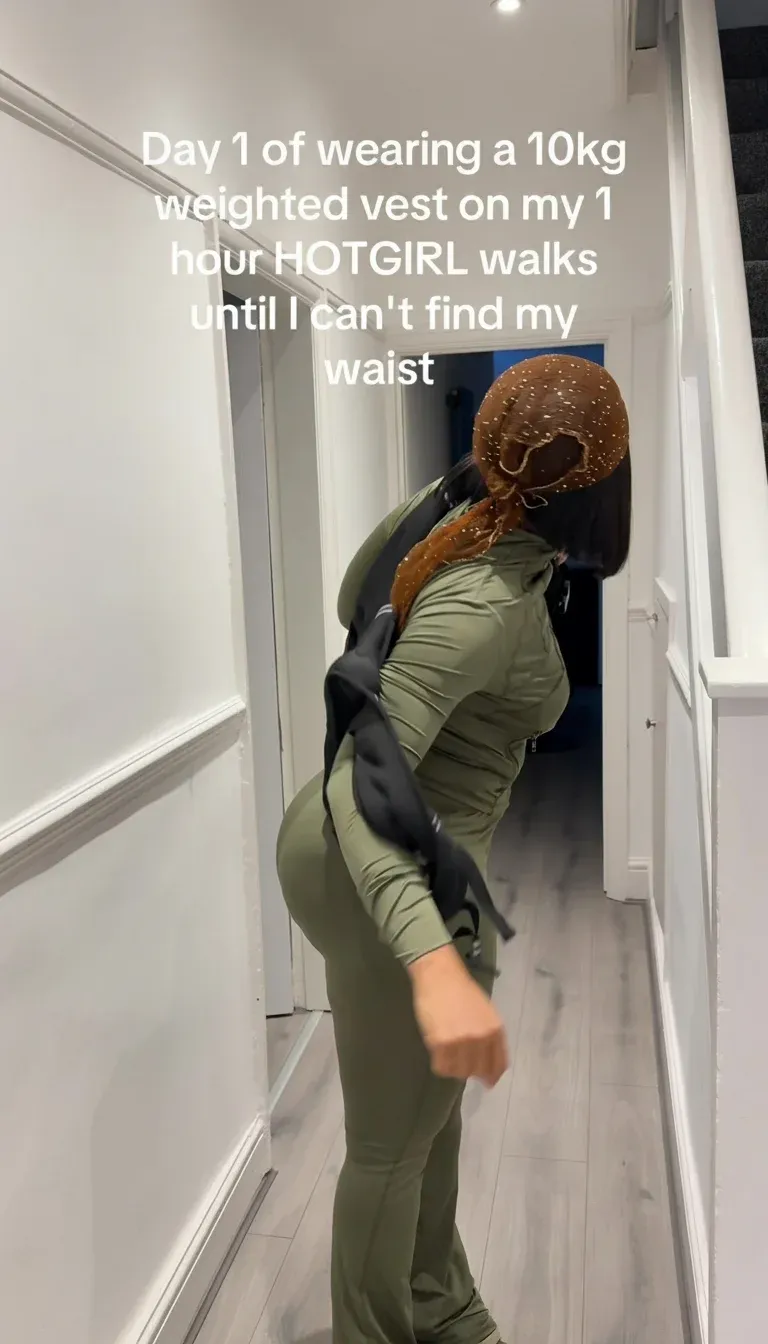
An adjustable weighted vest is a training vest with removable weights, allowing you to increase or reduce resistance in small, manageable steps for walking, running and bodyweight exercise. In short, it suits people who want flexible progression, a hands-free way to train, and one piece of kit that works across different sessions. For most UK buyers, the best option is not simply the heaviest vest, but one that fits securely, feels breathable and stays comfortable in British weather.
TL;DR: An adjustable weighted vest helps you add resistance gradually without changing your whole programme. It is often better than a fixed-weight vest for UK users because it can be adapted for running, walking and strength work, while also suiting damp, cool and low-light conditions. Based on our testing and customer feedback at FitnessVest, secure fit, minimal bounce, breathable materials and practical visibility features matter more than headline weight alone.
If you want to make running, walking, bodyweight training or conditioning work harder without overcomplicating your routine, an adjustable weighted vest is one of the simplest tools you can add. It increases resistance while keeping your hands free, spreads load across the torso, and lets you scale effort in small steps instead of making a huge jump all at once.
For UK athletes, that matters. Conditions are often wet, windy and dark for much of the year, so comfort, fit, breathability and visibility are not minor extras. Instead, they are practical buying criteria. A vest that bounces, traps heat or shifts under load soon stops being useful.
At FitnessVest, the focus is straightforward: help runners and trainees take their training further with a weighted vest for running that feels secure, breathable and suitable for British conditions. This guide explains what an adjustable weighted vest is, who it suits, what to look for before buying, and how to choose one that matches your training rather than working against it.
Key Takeaways
- An adjustable weighted vest lets you increase or reduce load gradually, making it more versatile than fixed-weight options.
- For most people, fit matters as much as weight. Therefore, a secure vest with minimal bounce is usually the better choice.
- UK buyers should look closely at breathability, reflective detailing and comfort in cooler, damp weather.
- Lighter loads are often best for running; heavier settings may suit walking, strength circuits and bodyweight work.
- A sensible starting point is progressive loading rather than jumping straight to the maximum available weight.
- If you are comparing sizes and use cases, our guide to weighted vest 10kg in the UK is a useful next read.
What is an adjustable weighted vest?
An adjustable weighted vest is a training vest designed with removable weights or modular loading so you can alter how heavy it feels. Instead of being locked into one set weight, you can build resistance up or down depending on your session.
That flexibility is the main reason many buyers prefer it. A fixed-weight vest can be fine if your training is very consistent. However, an adjustable version gives you far more control if you run some days, do circuit work on others, and want lower resistance when returning from a break.
How does an adjustable weighted vest work?
Most adjustable vests use small weight blocks or packets inserted into pockets around the front and back of the torso. By removing some of them, you reduce total load. By adding them back in evenly, you increase resistance while keeping balance through the body.
The best systems make those changes quick and intuitive. Otherwise, if adjustment takes too long or feels fiddly, people tend to leave the vest at one setting and lose much of the benefit they paid for.
Why does adjustability matter in real training?
A runner might want a lighter setup for steady efforts to limit bounce and preserve form. Meanwhile, the same person may prefer more load for brisk walks or step-ups. Someone using a vest for push-ups, lunges and squats may also want different settings within the same week. As a result, adjustability supports progression without forcing you to buy several separate vests.
Why choose an adjustable weighted vest in the UK?
Buying decisions in Britain are shaped by more than gym trends. Outdoor conditions vary sharply across the year. Winter commuting runs can start before sunrise. Rural roads may have poor lighting. Pavements can be wet and uneven. In addition, many people train in smaller home spaces rather than large garages or dedicated studios.
An adjustable design fits this reality well because it is practical across multiple settings: road running, park sessions, home circuits and walking workouts. In other words, one piece of kit can cover several uses if it fits properly and allows manageable increments in load.
Is an adjustable weighted vest good for outdoor training?
Yes, provided it fits securely and includes practical features for UK conditions. Based on our testing at FitnessVest, outdoor users benefit most from vests that combine stable weight distribution with breathable materials and reflective detailing. That combination helps whether you are training on damp pavements, chilly early mornings or darker winter evenings.
Why does visibility matter for outdoor use?
The Royal Society for the Prevention of Accidents advises pedestrians and runners to improve visibility in low light by wearing reflective or fluorescent clothing where appropriate. Therefore, for anyone using a weighted vest outdoors in autumn and winter in the UK, high-visibility details are more than cosmetic; they are part of safe kit selection according to RoSPA road safety guidance.
Why does comfort matter in British weather?
A cold start does not always mean a cool session. Once effort rises, poor fabrics trap heat fast. Consequently, a breathable vest helps regulate comfort when drizzle turns to humidity or when layers build up underneath on colder mornings.
What are the benefits of an adjustable weighted vest?
Can an adjustable weighted vest help with progressive overload?
Yes. You do not need a rack of weights to make walking lunges or bodyweight squats more challenging. Instead, with an adjustable vest, resistance is already on your torso where movement stays relatively natural.
Why is hands-free training useful?
Dumbbells and kettlebells have obvious value but they tie up grip and alter arm action. As a result, they can be less practical for running drills, stair work or long walks where free movement matters.
Is one adjustable weighted vest suitable for different workouts?
Often yes. The same athlete may perform easy recovery walks one day and short conditioning intervals the next. Therefore, adjustability means one vest can support both instead of feeling too heavy for one use and too light for another.
Does an adjustable design offer better long-term value?
If your fitness improves over time, your kit should not become obsolete after a few weeks. An adjustable system allows gradual increases rather than forcing an immediate upgrade path.
What should you look for when buying an adjustable weighted vest?
1. How important is fit and minimal bounce?
This should be near the top of your checklist. If a vest shifts excessively during movement, training quality drops quickly. Runners in particular need chest and torso security so stride rhythm stays natural enough to maintain good mechanics.
Look for:
- Adjustable straps that tighten evenly
- A close torso fit without pinching "Weight distribution across front_and_back balance"
- ,deft? Oops
A close torso fit without pinchingA shape designed not_to flap_or ride_up during faster movement
Ready to level up with FitnessVest?
Shop Now — £73.94